

Feng Shui – Energy, Balance & Harmony
What Is Feng Shui?
Feng Shui is an ancient Chinese philosophy focused on balancing energy within living and working spaces to create harmony, health, prosperity, and well-being.
At the heart of Feng Shui is the belief that everything is energy. This life-force energy is known as Chi (or Qi), and according to traditional philosophy, the way energy flows through a space can influence emotions, relationships, health, success, and overall quality of life.
Feng Shui developed thousands of years ago in ancient China and remains one of the most influential systems of spatial harmony and energetic design in the world.
Chi – The Energy of Life
In Feng Shui and Taoism, Chi is considered the universal life-force energy that flows through:
- Nature
- Human beings
- Homes
- Objects
- Landscapes
- The universe itself
The goal of Feng Shui is to encourage the smooth, balanced flow of Chi so that spaces feel harmonious, supportive, and alive.
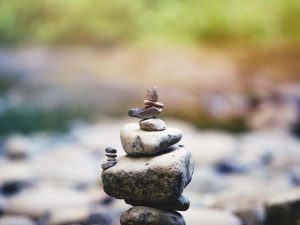 The Five Elements of Feng Shui
According to Feng Shui, Chi expresses itself through five fundamental elements:
- Water
- Fire
- Wood
- Metal
- Earth
These elements continuously interact and influence one another, creating cycles of balance and transformation.
Water
Represents:
- Flow
- Wisdom
- Emotion
- Adaptability
- Prosperity
Fire
Represents:
- Passion
- Energy
- Action
- Transformation
- Vitality
Wood
Represents:
- Growth
- Creativity
- Expansion
- Health
- Renewal
Metal
Represents:
- Clarity
- Precision
- Focus
- Structure
- Communication
Earth
Represents:
- Stability
- Nourishment
- Balance
- Support
- Grounding
The Interaction of the Five Elements
In Feng Shui, no element exists independently. Each element affects and supports the others in cycles of:
- Creation
- Nourishment
- Balance
- Control
A harmonious environment balances these elemental energies according to the purpose and atmosphere of a space.
Yin and Yang in Feng Shui
A balanced Feng Shui environment also requires harmony between:
Yin and Yang
Yin Energy
Associated with:
- Calmness
- Rest
- Softness
- Reflection
- Quiet spaces
Yang Energy
Associated with:
- Activity
- Brightness
- Movement
- Energy
- Social interaction
A healthy home or workspace balances both Yin and Yang energies rather than emphasizing one excessively.
Feng Shui & the Home
Feng Shui considers the home one of the most important environments in human life because it is where people:
- Rest
- Recover
- Build relationships
- Create memories
- Relax
- Grow emotionally and spiritually
A harmonious home is traditionally believed to encourage:
- Emotional well-being
- Better relationships
- Peaceful sleep
- Creativity
- Health and prosperity
Characteristics of Good Feng Shui
A space with positive Feng Shui is often:
- Clean and organized
- Bright but balanced
- Comfortable and welcoming
- Free of clutter
- Harmonious in layout
- Naturally flowing
The arrangement of furniture, colors, materials, and objects is believed to influence how energy moves through a space.
Feng Shui & Emotional Well-Being
Many people use Feng Shui principles to create environments that feel:
- Calm
- Safe
- Balanced
- Inspiring
- Energizing
- Peaceful
The philosophy emphasizes that our surroundings influence our emotional and mental state more deeply than we often realize.
Feng Shui in Modern Life
Today, Feng Shui is commonly applied in:
- Homes
- Offices
- Meditation rooms
- Gardens
- Businesses
- Interior design
Modern Feng Shui practices often combine ancient principles with contemporary aesthetics and wellness design.
Taoist Philosophy & Feng Shui
A traditional Taoist teaching describes Feng Shui beautifully:
“Life is learning to dance with the energy of the universe, and Feng Shui are the steps of this dance.”
This idea reflects the deeper philosophy behind Feng Shui — living in harmony with natural energy rather than resisting it.
Why Feng Shui Remains Popular
Feng Shui continues to resonate with people around the world because it combines:
- Ancient wisdom
- Balance and mindfulness
- Environmental awareness
- Emotional harmony
- Spiritual symbolism
- Practical design principles
Whether approached as philosophy, spirituality, or interior harmony, Feng Shui offers a timeless perspective on the connection between people and the spaces they inhabit.
Keywords: Feng Shui, Chi energy, Yin and Yang, five elements, Taoism, energy balance, harmonious home, spiritual design, Chinese philosophy, Feng Shui home, positive energy, interior harmony, wellness spaces
Leave a Reply